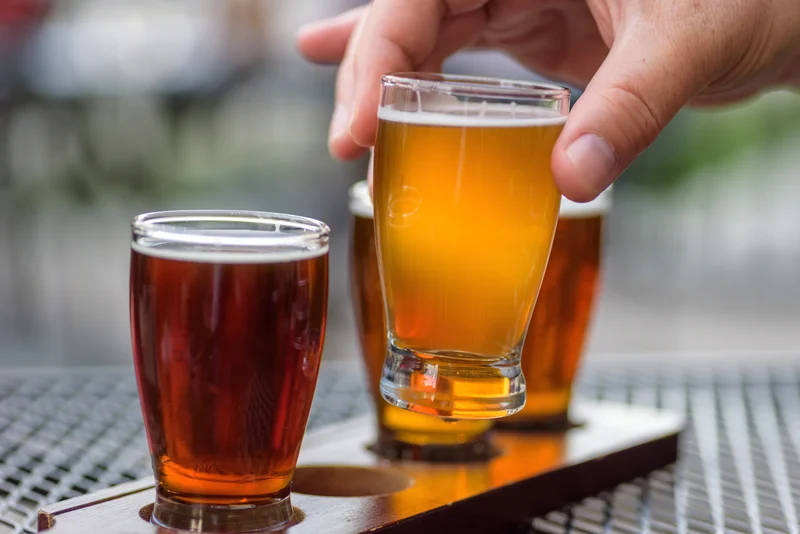
Alcohol affects the brain in ways that change thoughts, emotions, and behavior. Some people feel happier or more confident, while others get angry, anxious, or withdrawn. If you’ve ever wondered, do your true feelings come out when you’re drunk, the answer isn’t simple. Alcohol lowers inhibitions, making emotions more intense, but it also distorts judgment. Regular drinking can lead to long-term changes in mood and mental health. The link between alcohol abuse and mental health disorders is strong, with alcohol worsening anxiety, depression, and impulsive behavior.
- Medication can help to ease the symptoms of certain mental health issues that may have led to your alcoholism.
- On that final note, in particular, one of the more profound ways in which alcohol can contribute to aggression is by altering an individual’s perception of reality.
- In today’s fast-paced world, the pressures of life can sometimes lead individuals to seek solace in substances, whether they be legal or illicit.
- “Depression and alcohol misuse are often tied because we take a depressant to counter a chemical depression which only makes it worse.”
- And if a person already has a temperamental personality, ongoing alcohol misuse will make things even worse.
- Emotional withdrawal symptoms can include agitation, anxiety, depression, irritability, and tension as well as sleep disturbances, insomnia, and physical discomfort.
Getting Professional Help for Alcoholic Mood Swings
Setting boundaries before drinking can help mitigate aggressive tendencies. Conversely, past trauma—such as sexual or emotional abuse—might be at the root of your difficulties with emotional regulation. Addressing these issues in therapy can help you understand that you weren’t at fault for another person’s poor behavior.

Does Alcoholism Cause Rage?

If a problem is ongoing or does not seem to have an adequate solution, you should be prepared to make some changes in your life. We know that alcohol makes people do stupid things, so for some, it’s an excuse to do whatever they want. There have been studies where people thought they were consuming alcohol and acted like they were drunk anyway.
Preventing Escalation to Addiction
- Setting boundaries and seeking help are crucial steps for both the angry drunk and their loved ones.
- Hormones also spike and drop because of alcohol – cortisol, for instance.
- When you drink alcohol and behave aggressively, you may be violent with your family members, leading to domestic violence.
- This indicates how critical intervening for both alcohol and mental health.
- Beth completed medical school, residency, and fellowship at Northwestern University, where she continues to serve on the faculty as a member of the Department of Family and Community Medicine.
- Much like barbiturates (sedatives), alcohol is a drug that affects the central nervous system (CNS) and the brain’s functionality.
After being processed through the liver, alcohol molecules bind to GABA receptors in the brain, activating them. Sometimes, we even notice that we’re moodier in our day-to-day lives. We get a little loose and start behaving in ways we normally alcohol mood swings and anger wouldn’t.
- Alcohol had minimal impact on aggression for those who thought about future consequences.
- Many people experience a “pink cloud” effect when initially entering sobriety, wherein they feel a sudden rush of hope and positive emotion.
- Alcohol use can also affect how antidepressants work, which can affect depression treatment.
- They increase the risk of accidents, reckless behavior, and unsafe situations.
This translates to increased stress and anxiety levels when you’re not drinking. Over time, you may find you can’t get any of those good feelings without drinking alcohol. So there are both immediate effects of alcohol on mood and longer-term effects to be mindful of. Extreme emotions that are usually hidden from others, like anger and sadness, may be more noticeable when you drink because you’re less able to conceal and manage them. When they come out, others notice them because they’re not a part of the everyday social experience. When combined with other evidence-based therapies, such as cognitive behavioral therapy (CBT), MAT can help drug addiction prevent relapse and increase your chance of recovery.
Learn the Dangers of Self Medicating with Alcohol and Other Drugs
Inspired by his upbringing in Bolivia, marked by poverty, unaddressed mental health, and substance use, he brings a unique perspective to his role as a Primary Therapist at the Freedom Center. He tailors treatment plans to meet individual needs, fostering healing and growth. Outside of work, he finds solace in outdoor activities like hiking and woodworking. With his expertise, experience, and passion for helping others, David is an asset to the Freedom Center, empowering individuals on his recovery journey. Melissa is a visionary and empathetic leader in the field of peer support and recovery.
Consult with Confidant Health’s professionals

Moreover, alcohol can increase the risk of bipolar disorder, dementia, mood disorders, and schizophrenia. Alcoholism is a dangerous disease that can have a significant impact on your life and the lives of those around you. Heavy drinking and irregular drinking habits can lead to unpredictable and often erratic behavior, including alcoholic mood swings. If you are the loved one of someone struggling with alcohol addiction, you’ve likely witnessed how alcohol consumption can dramatically alter their emotions and actions. Alcohol has a profound impact on a person’s mood and emotional state. Initially, consumption may induce feelings of relaxation and euphoria, due to alcohol’s function as a central nervous system depressant.
- BetterHelp offers affordable mental health care via phone, video, or live-chat.
- Amanda completed her Doctor of Nursing Practice and Post Masters Certification in Psychiatry at Florida Atlantic University.
- Emotional symptoms can last a few days during acute withdrawal but may continue for weeks or months, especially in cases involving post-acute withdrawal syndrome.
- Sunshine Behavioral Health strives to help people who are facing substance use disorder, addiction, mental health disorders, or a combination of these conditions.
- These are the parts of the brain that control higher-level cognitive processes like planning, reasoning, and problem-solving.
How To Stop Overthinking in Relationships: 11 Tips That Work
Ultimately, nobody knows what comes first—anger or alcohol use disorder (AUD). However, some studies have been done to better understand who is more at risk. However, some people are more likely than others to be angry when drinking alcohol. Domestic violence is a very dangerous potential result of alcohol abuse. A 2017 study showed that men under the influence of alcohol had higher rates of physical and sexual aggression. They feel anger to avoid other more challenging emotions and behaviors.

Long-Term Behavioral Effects of Alcohol
We do everything in our power to help you succeed in breaking the cycle of addiction, and know that with the right kind of help, everyone is capable of healing. Contact us and we can begin the process of building a life worth living. Alcohol doesn’t cause anger, but it can fuel pre-existing emotional distress.